
The PLL belongs to rookies, doubleheader performance is backwards, just give it to CJ, and the Woods will lead the league in assists. PLL Week 6 Overreactions.

The league belongs to the kids
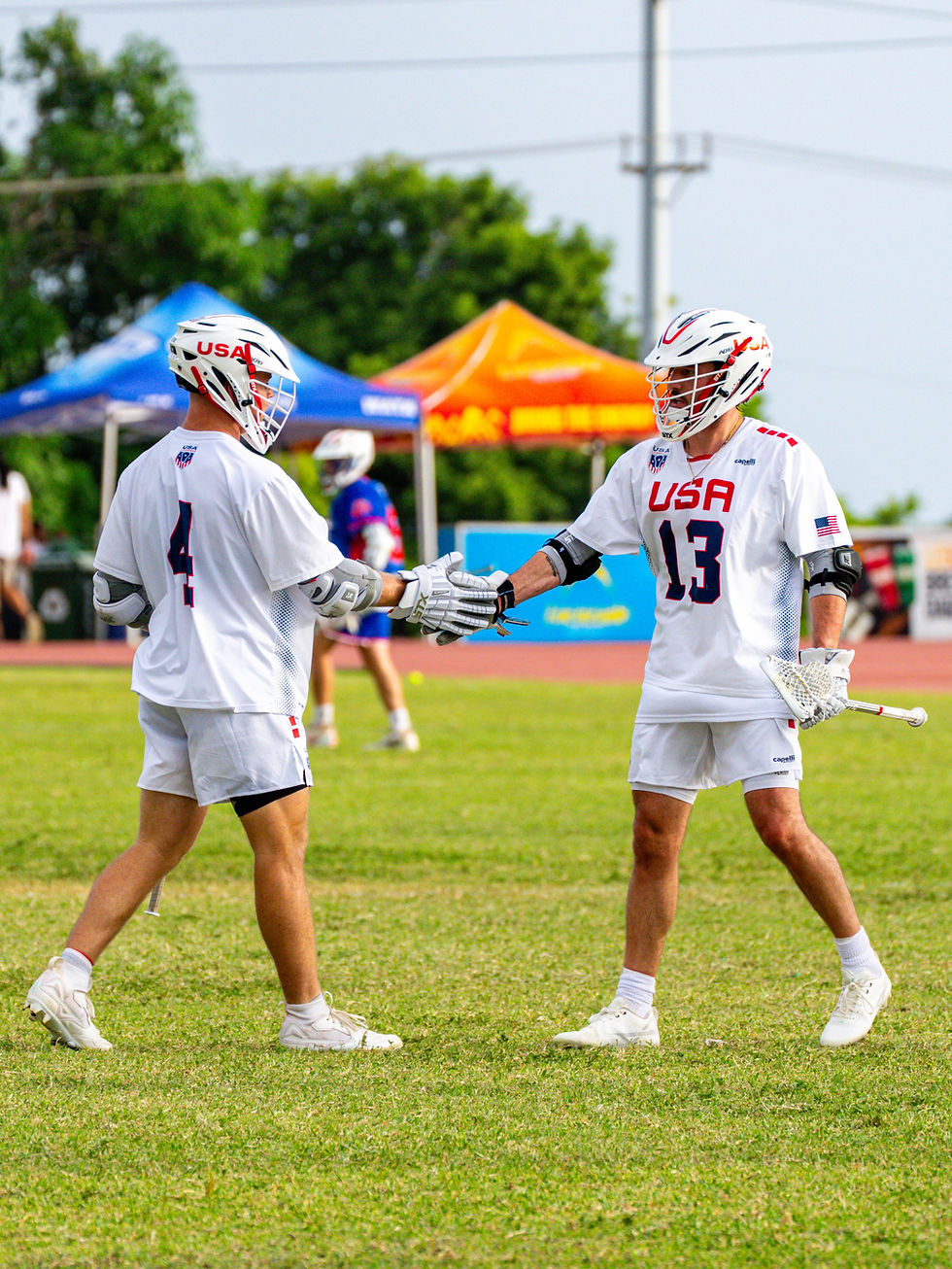
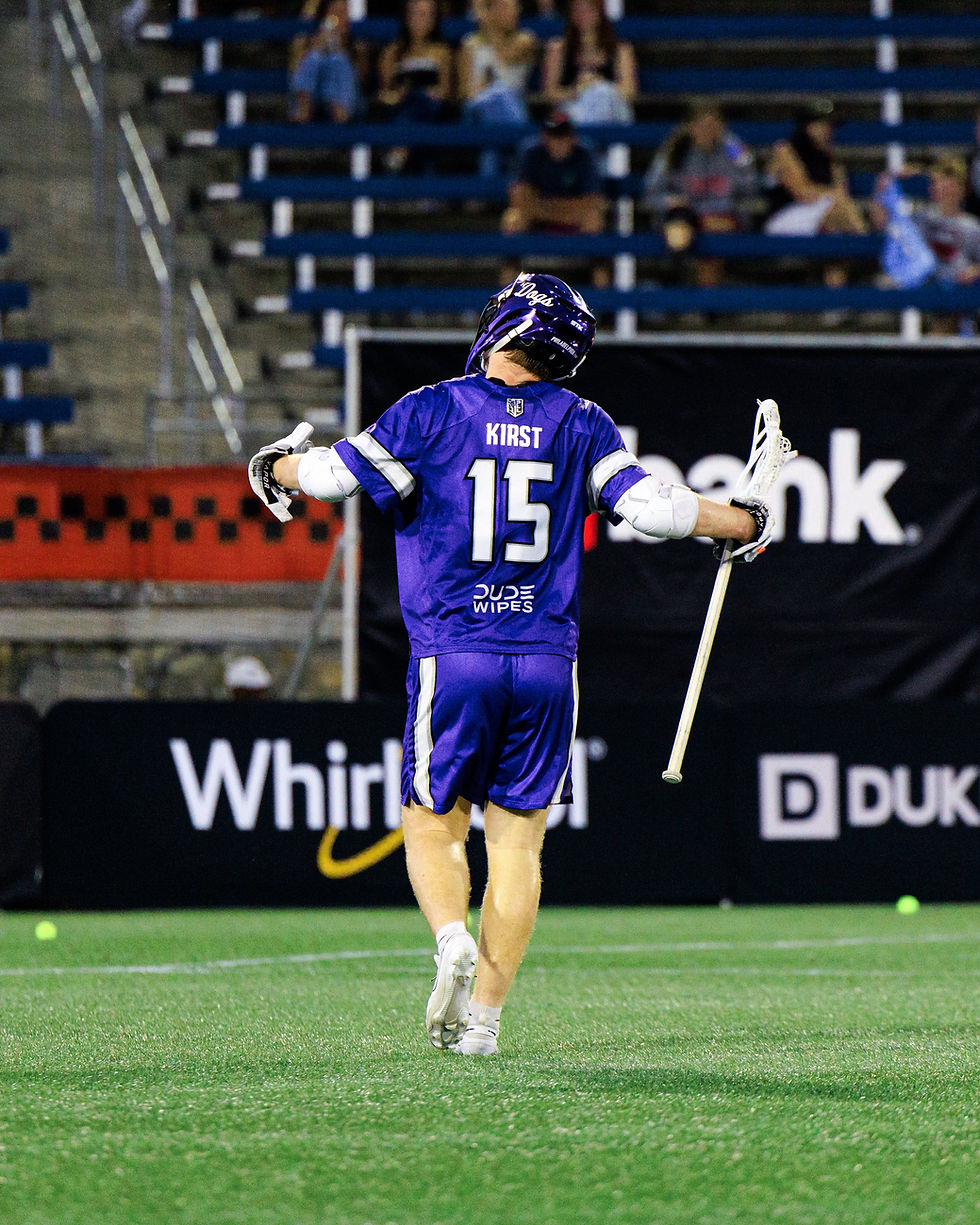
Roster turnover has been a popular topic around the PLL lately. Turnover that is happening, at least in part, due to the fact that the young players in the league are so good. In a given game day, a PLL team has 21 players (19 active, two protected) on their roster. This past weekend, Philadelphia’s roster used 12 spots on players who finished college in 2024, 2025, or 2026. That includes four rookies in their midfield in Kyle Lewis, Josh Yago, Matt Collison and Silas Richmond. The move pushed veterans like Connor Kelly and Thomas McConvey to the inactive list. Philly got the win over Utah thanks for five goals from second year player CJ Kirst, a leading MVP candidate, while both Collison and Yago found the score sheet. The Carolina Chaos nearly pulled off a comeback win, but lost to the Redwoods in overtime. Carolina put up five goals in the 4th quarter of the game to force the extra frame. Those goals were a two pointer by a rookie (Ty English in his debut), a rookie assisting a rookie (Chad Palumbo to Eric Spanos), a second year player unassisted (Owen Hiltz), and a rookie with nine seconds left to tie it (Palumbo again). The Boston Cannons upset the Redwoods on Saturday night, putting up 15 goals in a win. Of their 15 goals, 11 were scored by rookies or second year players. The Maryland Whipsnakes continue to start a rope unit that is made up almost entirely of rookies. New talent coming in and pushing out older talent isn’t exactly a new phenomenon, that’s how pro sports works. But the scale of it, and just how many first and second year players are in key spots for all eight PLL teams, is notable.
He doubleheader performance makes no sense
The home team always plays a double header in their home market. To date, the PLL has visited five home markets: Utah, Baltimore, Charlotte, New York, and San Diego. Conventional thinking is that, in the second game, the home team might be disadvantaged. They should be fatigued from having played a game already, sometimes the day before, and that should give an edge to the team that’s fresh. If there’s an advantage to be had there, it hasn’t translated to wins yet. In all five home weekends, the home club has won the second game of the double header. A perfect 5-0. Two teams (Maryland and New York) went 2-0 on the weekend. Last season, the home teams went 2-6 on the year in the second game of double header weekends. In three of the five games this year, it did come down to late game heroics. New York erased a 10-3 deficit to beat Maryland, Charlotte held off a big second half surge from Denver, and California needed OT to beat the Chaos. But the home team protecting their turf in game two is a story. Some of that might be desperation. Going 0-2 on a weekend is a big swing in the PLL. The home team is 2-3 in the first game of the weekend this year, they were 3-5 last year. Desperation can be quite a motivator.
Finding offensive balance is overrated
While it has some flaws and isn’t quite the stat that something like usage rate in the NBA is, the touches stat in the PLL isn’t a bad way to gauge involvement in the offense for certain players. Off ball threats will obviously have lower numbers of touches, but it’s easy enough to account for that. With all the new young talent taking over the league, it can be a struggle to find flow and balance in an offense. It’s not like just plugging in one new player is the extent of it. To the earlier point about Carolina and Philadelphia, some teams are rolling our 3-4 rookies in their lineup at a time. It’s important to keep things simple while this integration happens, and not overthink it. Consider Carolina’s game against California on Sunday night. Ross Scott had four points on a hat trick and an assist. All four of them came in the first half of the game. In the second half, he had far less impact. And it wasn’t just because of schematic changes by California; Scott just didn’t get the ball a ton. He finished the game with 14 touches, the seventh most on the team. He was running by short sticks in the first half, still had short stick matchups at times in the second half, and just never quite got involved again, despite clearly being an elite dodging option and a hot hand. The Waterdogs took a few minutes to figure things out as well, but are a good example of not overthinking things. As noted, they had four rookies in the midfield. While we talk about getting these guys involved, making them comfortable, finding ways for them to have an impact, we should also remember what the goal is in the PLL. The goal isn't to make new guys comfortable. The goal is to win. To win, you need to score more goals than the other team, so get the ball to the guys who score. Eventually, the Waterdogs just started getting the ball to CJ Kirst, who took care of the rest. He finished with five goals on nine shots, four of those goals coming in the second half to help the Waterdogs pull away. Did the increase in Kirst touches happen at the expense of touches for some of the rookies? Sure. Silas Richmond finished with just five touches, Kyle Lewis had just 15, but both Yago and Collison remained heavily involved. And the Waterdogs won.
The Redwoods assist is solved, even if stats don’t show it yet
In 2025, the Redwoods were last in the league in assists. Both in terms of total and on a per game basis. Offensive moves in the offseason were made with a focus on increasing the number of assists, and running the offense less around isolations and unassisted goals. The returns are promising. As of this week, the Redwoods around middle of the pack in terms of both assist totals and assists per game. They had 14 goals this weekend, only three were assisted, which may be an indicator of an issue. It is not. PLL measures assist opportunities; times where a player threw a pass that had the chance to be an assist and either became one, or the shooter didn’t score and no assist was recorded. There are currently 15 players in the PLL that have 15 or more assist opportunities. Three of them are Redwoods: Chris Kavanagh, Dylan Molloy, and Mikey Boehm. Kavanagh has two assists (both of which came this weekend) on 19 opportunities, an absurdly low conversation rate of just 10.5%. By comparison, the average conversation rate among those 15 players is 31%. Boehm and Molloy are both north of 40%. Andrew McAdorey has 11 assist opportunities and just one assist, another player who does a lot of initiating but is below rate when it comes to seeing his assist chances get converted.

Comments