
The 2026 Championship Series is in the books. Four lessons about the event that we learned this year.

The team with the best goalie wins.
The championship results in each year of the Championship Series so far:
2023, Chrome over Atlas. Chrome goalie Sean Sconone led the event in save percentage among regular starters, Atlas goalie Jack Concannon was second.
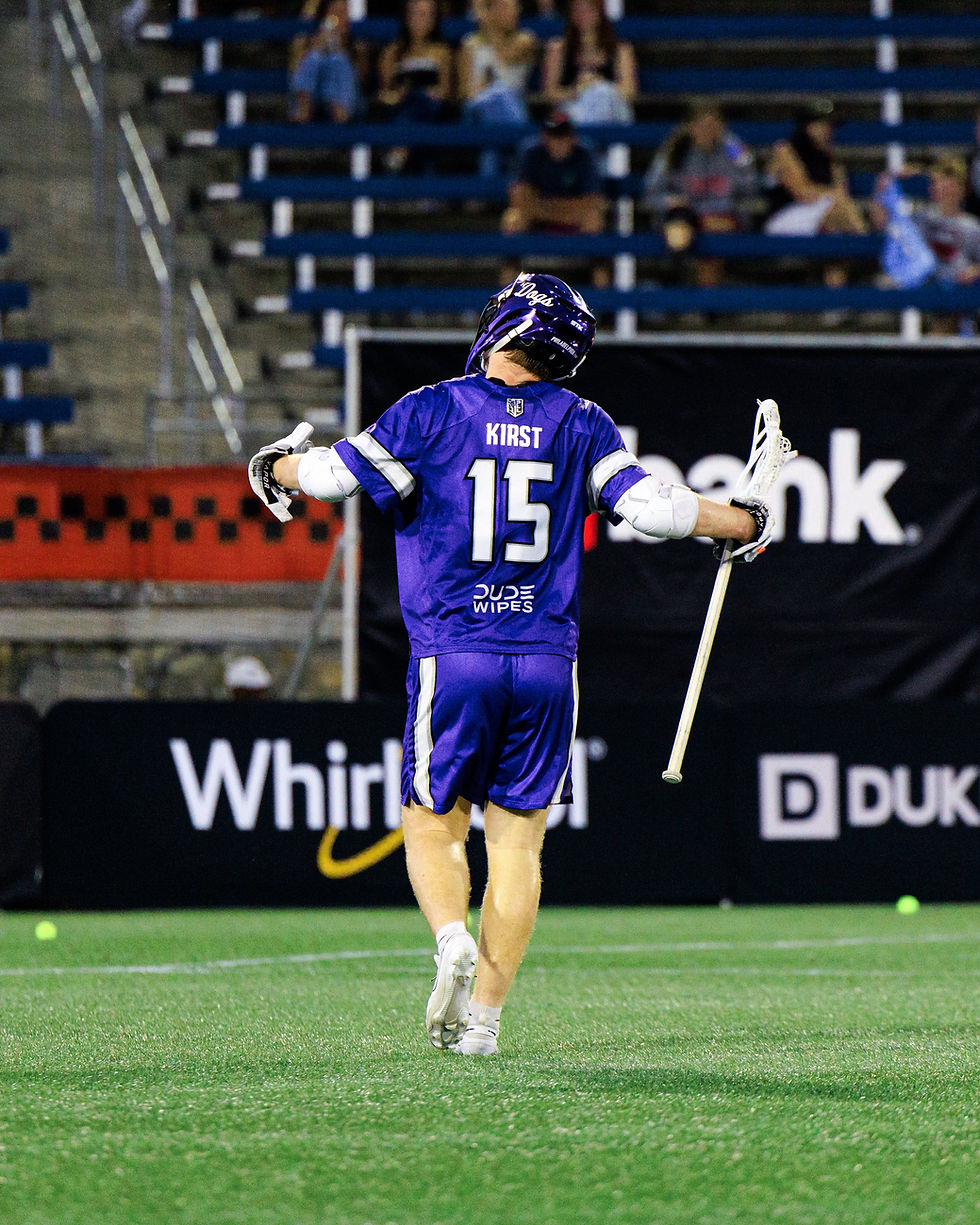
2024, Boston over Philadelphia. Philadelphia goalie Matt DeLuca led the event in save percentage, Boston goalie Colin Kirst was second.
2025, Boston over Utah. Boston goalie Colin Kirst led the event in save percentage, Utah goalie Nick Washuta was third.
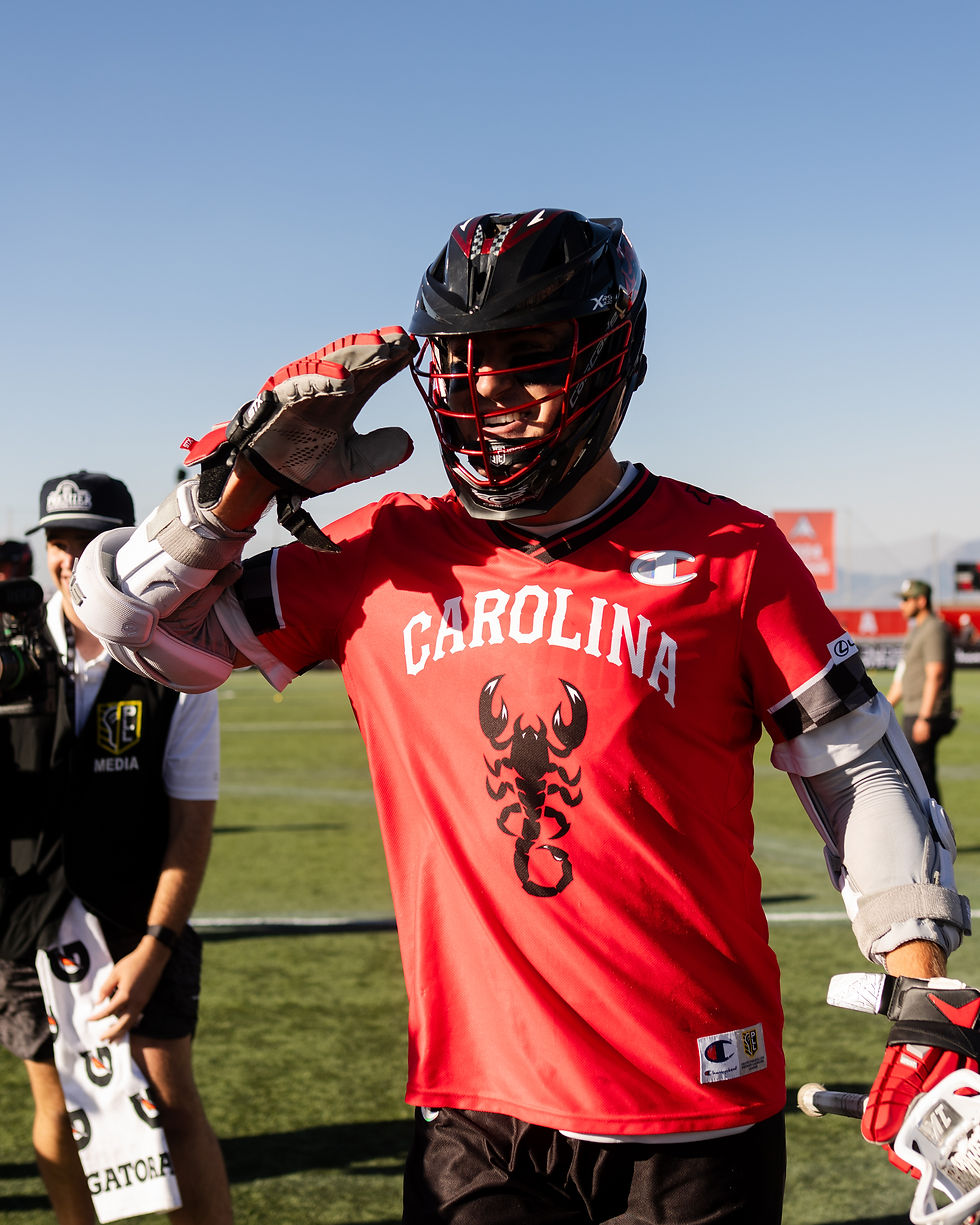
2026. Carolina over California. Carolina goalie Austin Kaut led the event in save percentage (and set a saves record, but in a game and for the event), California goalie Matt Knote was second. Kaut went 51% in the title game.
It’s easy to dismiss goalie play given the up and down nature and high scores. It takes some getting used to when it comes to examining goalie stats in Sixes. But the big break point seems to be right around 40%. Without that, don’t expect to make the championship. The goalie discussion should also include some talk about Logan McNaney, who was limited across two weekends due to an illness. When he was on the field, he was as expected. His clean save rate is a weapon in Sixes that borders on game breaking. He turns well placed shots into fast breaks. Denver’s offense was lackluster at times as they were missing so much of their summertime firepower, but McNaney can create whole new opportunities for goals even out of well executed offense by the opponent.
Having the most turnovers was a GOOD thing, until this year
Same exercise as above, the winner by year:
2023: Chrome over Atlas. Chrome led the event with 49 turnovers.
2024, Boston over Philadelphia. Philly led the event with 55 turnovers.
2025. Boston over Utah. Boston was second in the event with 50 turnovers.
2026. Carolina over California. Carolina finished the event with the second highest number of turnovers, 45.
Turnovers have long been the stat we point to and say “well they lost the turnover battle so they lost the game”. Doesn’t seem to be the case at the Championship Series. In Sixes, shots that miss the net cannot be back up to maintain possession as they can in the field game. A shot that misses the net and goes out of bounds becomes the other team’s ball. However, at the Championship Series this is not credited as a turnover. The turnovers above are all turnovers that occur in the course of play outside of shooting. At least a little related to this, the team that wins the event usually also leads the event in touches. Moving the ball, quickly, is the philosophy on offense, even moving it at such a breakneck pace that turnover numbers are skewing high. Taking this point with the prior point against goalies, and the formula comes together. With an elite goalie, offenses can further push tempo and risk on offense, since they’re less likely to give up scoring runs. On top of that, the up and down nature, and short two point arc, means it’s possible to come back from turnovers deficits more than easily than a team might in field.
It’s still the best way to break into the league
The nature of the event and player availability means that several replacement players take part in the Championship Series every year. It’s exceptionally difficult to break into the PLL and get a regular roster spot; they simply don’t come open all that often. In the event of desperate need during the season, coaches tend to pick up players they already know, guys who they saw at training camp, a known. The Championship Series, however, has emerged as the place where coaches take a few new players for spin to see what they’ve got. In the past it catapulted Brendan Krebs into a regular season starting job and made Ronan Jacoby into 19 man roster regular. 2026’s breakout remains to be seen, but Fulton Bayman is near the top of the list. Bayman showed off a great burst and change of direction, winning matchups in space and getting to the net. Coming into Sunday’s title game, Bayman was 4th in the event in scoring, and led Denver in scoring across the Series. Denver may deal with some absences to start the season while the PLL overlaps with NLL playoffs and the NCAA tournament, and he is no doubt on the short list to fill in for Denver then. After that, don’t be surprised if teams around the league saw Bayman’s performance and decide to sign him for the summer.
Go big or go home
In year one, Chrome upset a heavily favored Atlas team. They did it with size and physicality, leaning on players like Colin Heacock, Cole Williams, Dylan Molloy, and Kevin Rogers. The 2026 title game had some shades of that, and even a repeat player. Carolina loaded up the lineup with as much beef as they could, stacking the offense with players like Charlie Bertrand, Sergio Perkovic, Jackson Eicher, and the aforementioned Williams. The size advantage meant that the Chaos could get to the interior of the defense, draw fouls, and bully their way around the offensive end. Olympic Sixes has far less contact allowed than the Championship Series does, but the philosophy is worth noting. The balance of size with speedsters like Ross Scott and Shane Knobloch (who led the event in scoring points on the weekend) is a one two punch that teams struggled with all week.

Comments